
Shaping narratives through visual rhythm
- Editorial precision transforms raw footage into compelling visual stories
- Cross-border education removes geographic barriers to quality learning
- Film editing expertise developed through structured practice and critical analysis
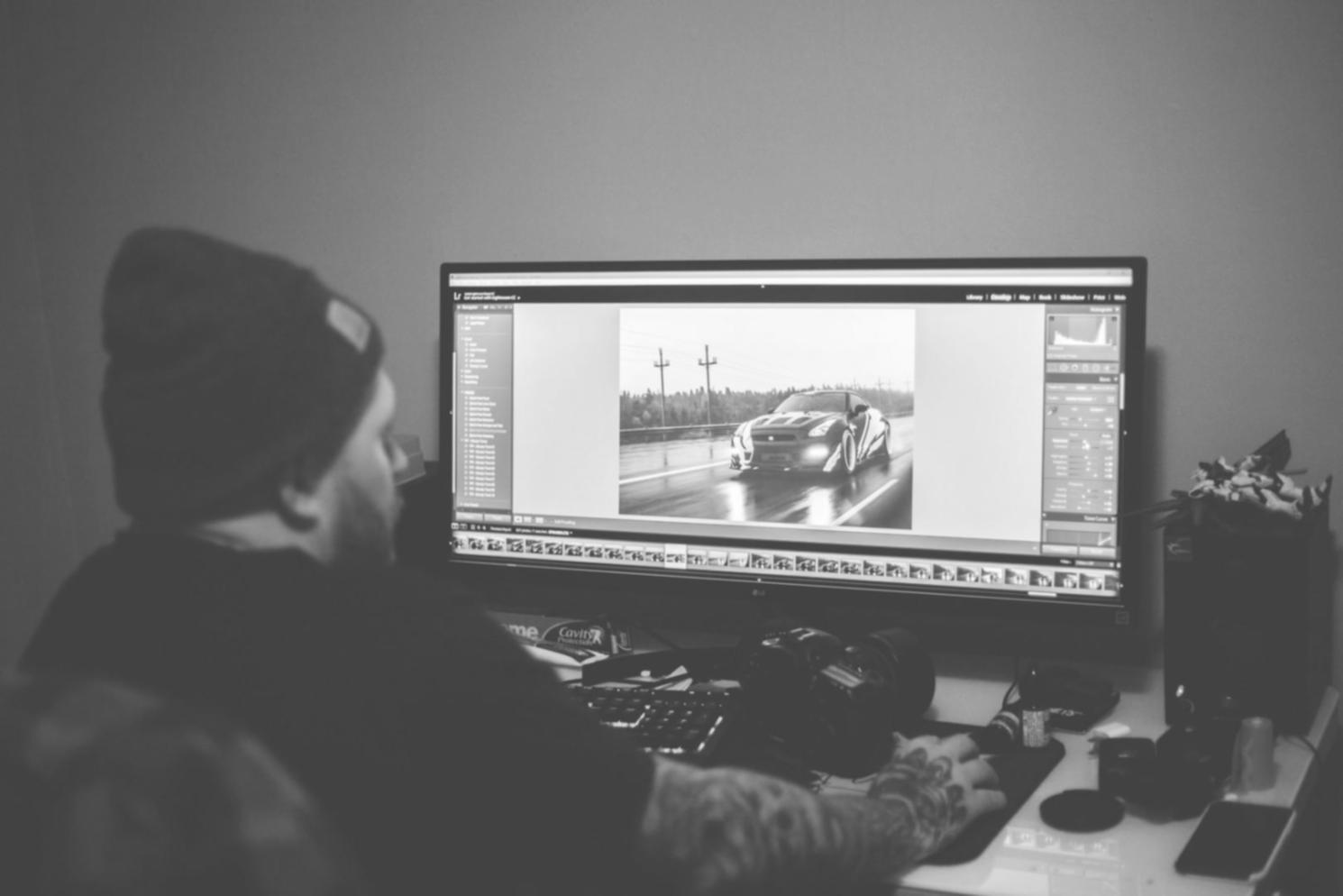
Where technical skill meets visual storytelling
Domain emerged in 2014 when a group of working editors recognized that most film schools taught theory without addressing the practical challenges of real-world post-production. Students graduated knowing software but not how to build tension, pace emotion, or make a scene breathe.
Editorial work demands more than technical proficiency with editing software. It requires understanding how shot duration affects viewer perception, how sound design reinforces visual information, and how sequence order creates meaning that individual shots cannot convey alone. These skills develop through deliberate practice, not passive observation.
Our instructors maintain active careers in documentary, narrative, and commercial editing. They bring current industry practices into each lesson, showing students how professionals solve real problems under deadline pressure. Assignments mirror actual client briefs, and feedback addresses both creative choices and technical execution.
Based in Whitehorse, we serve students across continents through asynchronous learning modules and structured critique sessions. Location does not limit access to quality instruction when the learning platform adapts to different time zones and internet speeds.
Editorial principles that translate across genres
Film editing operates on fundamental principles that remain consistent whether cutting a feature documentary or a commercial spot. Rhythm, continuity, and visual clarity function independently of project scale.
- Scene assembly begins with identifying the emotional core of each sequence
- Pacing adjustments respond to audience attention patterns and narrative momentum
- Sound editing reinforces visual transitions without drawing conscious attention
- Color grading serves story consistency rather than stylistic preference alone
- Revision cycles focus on measurable improvements in clarity and engagement
- Export specifications match distribution requirements across platforms
Instruction from working professionals
Our teaching team continues editing professionally while developing curriculum. Active industry work ensures lessons reflect current software workflows and client expectations.

Petra Viklund
Designs course structures that balance technical skill development with creative decision-making practice. Previously edited documentary series for international broadcast.

Tavish Okonkwo
Specializes in workflow optimization and software proficiency training. Maintains editorial work on commercial projects requiring rapid turnaround under tight deadlines.

Elif Strand
Guides students through narrative construction and visual storytelling strategy. Edits feature-length documentaries and develops editorial approaches for complex subjects.